

The Engulfing Candle Pattern How to Identify and Trade It
The engulfing candle pattern is considered one of the most important Japanese candlestick patterns, and it is heavily relied upon when it appears due to its strength and high reliability.
Pattern Formation:
The engulfing candle consists of two candles.
In the case of a bullish engulfing pattern, the first candle is bearish,
followed by a bullish candle that completely engulfs the body of the previous candle.
It is not necessary for the wicks to be engulfed, but if they are, the pattern becomes even stronger.

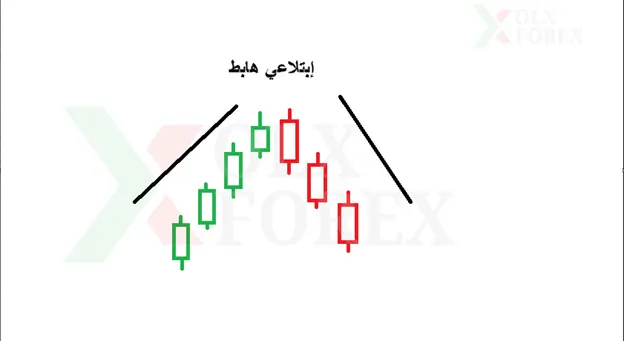
In the case of a bearish engulfing pattern, the first candle is bullish,
followed by a bearish candle that completely engulfs the body of the previous candle.
It is not necessary for the wicks to be engulfed, but if they are, the pattern becomes stronger.
Best Trading Zones:
Of course, for the engulfing pattern to be highly reliable and successful, it’s important that it appears
in zones that support the pattern. The best areas for the pattern to appear are:
Support and resistance levels and supply and demand zones.
These are strong areas where market maker pending orders are often located,
so the appearance of these reversal patterns in such areas gives a trade high credibility.
There are also other areas that can be relied on, but with less effectiveness,
such as pivot levels, Fibonacci levels, and others.
These levels might be less strong than support/resistance and supply/demand zones,
but they can still be used when trading in the direction of the overall trend.
How to Trade the Pattern Correctly:
1. First, determine the overall trend direction – whether it’s bullish or bearish.
2. Second, identify support and resistance levels and supply and demand zones.
3. Third, wait for a reversal pattern (like the engulfing pattern) to appear in these entry zones.
Example – In the Case of a Buy Trade:
The overall trend is bullish, so the focus will be on buying.
Wait for a bullish engulfing pattern to appear at support zones or demand zones.
Enter a buy trade immediately after the engulfing candle closes,
with a stop loss placed below the identified support or demand zone.

Example – In the Case of a Sell Trade:
The overall trend is bearish, so the focus will be on sell trades only.
Wait for a bearish engulfing pattern to appear at resistance zones or supply zones.
Enter a sell trade immediately after the bearish engulfing candle closes,
with a stop loss placed above the identified resistance or supply zone.

How to Set Targets and Stop Loss:
As previously mentioned, it’s important to identify reversal zones — whether they are support and resistance levels or supply and demand zones — on both the entry timeframe and the higher timeframe.
In a Buy Scenario:
• If the entry is on the 1-hour timeframe, the target will be the supply zone on the higher timeframe, such as the 4-hour chart.
• The stop loss should be placed below the support or demand zone.
• If the zone is wide, the stop loss can be placed just below the engulfing pattern by a small margin — around 10 pips.
• It is important to ensure that the target is at least twice the size of the stop loss.
• If the supply or resistance zones are too close, no trade should be taken.
In a Sell Scenario:
• If the entry is on the 1-hour timeframe, the target will be the demand zone on the higher timeframe, such as the 4-hour chart.
• The stop loss should be placed above the resistance or supply zone.
• If the zone is wide, the stop loss can be placed just above the engulfing pattern by a small margin — around 10 pips.
• The target should always be at least twice the size of the stop loss.
• If the demand or support zones are too close, no trade should be taken.
Notes:
• It’s preferable to trade in the direction of the trend using the pattern.
• Avoid entering a trade if there are nearby reversal zones close to the entry point.
• Do not enter if the bullish engulfing candle has a very small body, or has a large upper wick and closes near the middle of the previous candle.
• Do not enter if the bearish engulfing candle has a very small body, or has a large lower wick and closes near the middle of the previous candle.


