
Gold Falls as Bets on Federal Reserve Policy Tightening Intensify
Gold prices fell slightly on Thursday, as pressure on the precious metal continued due to increasing investor bets on the Federal Reserve tightening monetary policy, while falling oil prices helped limit gold’s losses.
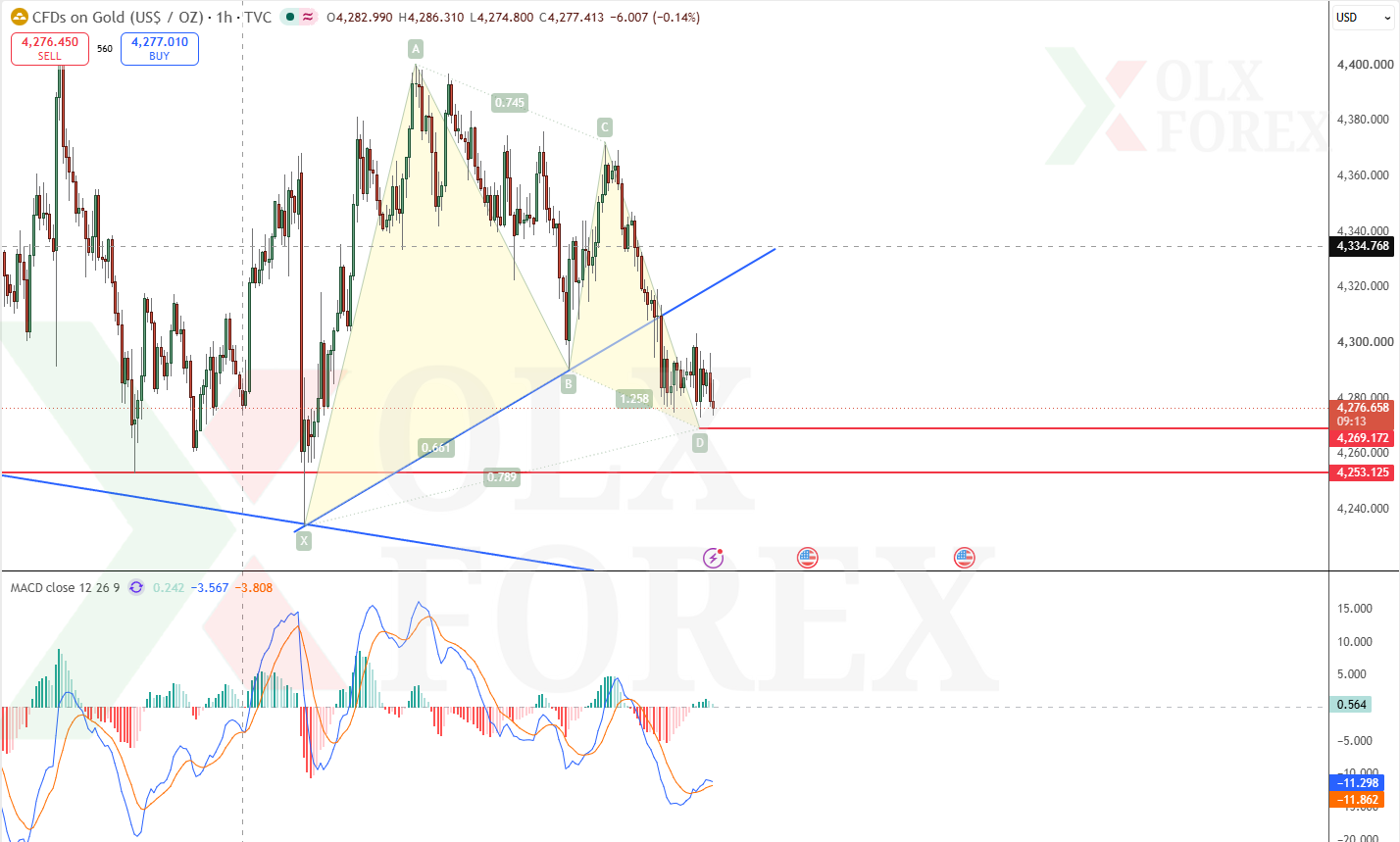
Gold is currently trading near $4,275 per ounce, amid market caution as participants await the direction of U.S. interest rates in the coming period.
Expectations of a Rate Hike Weigh on Gold Prices
Investors are increasingly expecting the U.S. Federal Reserve to continue its hawkish monetary policy, given persistent inflationary pressures and strong economic activity in the United States.
Traders are increasing their bets on the possibility of an additional interest rate hike in late October, following the increase approved by the Fed at its last meeting.
These expectations are putting pressure on gold, especially since the precious metal offers no yield to its holders and thus becomes less attractive when interest rates and returns on competing assets rise.
The Dollar and Bond Yields in the Markets’ Spotlight
In addition to interest rate expectations, investors are monitoring movements in the U.S. dollar and Treasury yields, as these are among the most important factors influencing gold prices.
A stronger dollar makes gold, which is priced in U.S. dollars, more expensive for buyers using other currencies, while rising bond yields boost the appeal of assets that offer a yield compared to gold.
Therefore, any new signals from the Federal Reserve regarding keeping interest rates high for a longer period or raising them again could increase pressure on the precious metal.
Falling Oil Prices Limit Gold’s Losses
In the energy market, oil prices fell slightly before rebounding, with West Texas Intermediate crude approaching the $96-per-barrel level.
Markets are monitoring developments related to the conflict between the United States and Iran, particularly as Tehran has signaled its willingness to pursue a diplomatic path to end the conflict, despite ongoing disagreements between the two sides over the terms of a settlement.
The prospects of a diplomatic solution have helped ease concerns about disruptions to energy supplies, which has been reflected in oil prices and market volatility in general.
Why Do Interest Rates Affect Gold Prices?
Gold is traditionally viewed as a hedge against inflation and economic risks, but it does not pay interest or provide a periodic return.
Therefore, when U.S. interest rates rise, assets that provide a return become relatively more attractive, which can lead to a decline in demand for gold. However, when expectations of a rate hike fade or markets begin to price in a rate cut, gold may regain its appeal, especially if this coincides with a decline in the dollar and Treasury yields.
What will drive the price of gold in the coming period?
Traders are currently focusing on a number of key factors that could determine the direction of the gold price, foremost among them:
- Expectations regarding U.S. interest rates.
- Statements by Federal Reserve officials.
- Movements in the U.S. dollar.
- U.S. Treasury yields.
- U.S. inflation and economic data.
- Developments in the conflict between the United States and Iran.
- Oil price movements and energy supply risks.
Consequently, continued bets on monetary policy tightening may keep gold under pressure, while a decline in expectations for interest rate hikes could lead to a resurgence in demand for the precious metal.
Gold from a Technical Perspective
Gold is currently attempting to complete a Gartley harmonic pattern near the $4,270 per ounce level, The $4,255 level is also considered a strong support level for gold, which could push it higher again toward $4,330 and then $4,440 per ounce.
The bullish scenario will fail if the $4,200 level is broken to the downside.