

Financial Markets: Types of Traders, Trading Strategies, and Choosing the Right Brokerage
Financial markets are among the most important tools that individuals and businesses rely on to grow their wealth and generate financial profits. Trading methods vary depending on traders' objectives and experience, leading to the emergence of various trading styles. In this article, we will highlight the different types of traders, the differences between scalping and swing trading, traders' goals, and the key factors that influence their decisions, as well as how to choose the best brokerage firm.
Types of Traders in Financial Markets
Traders can be categorized into several groups based on their trading styles and objectives. The most notable types are:
Long-Term Investors:
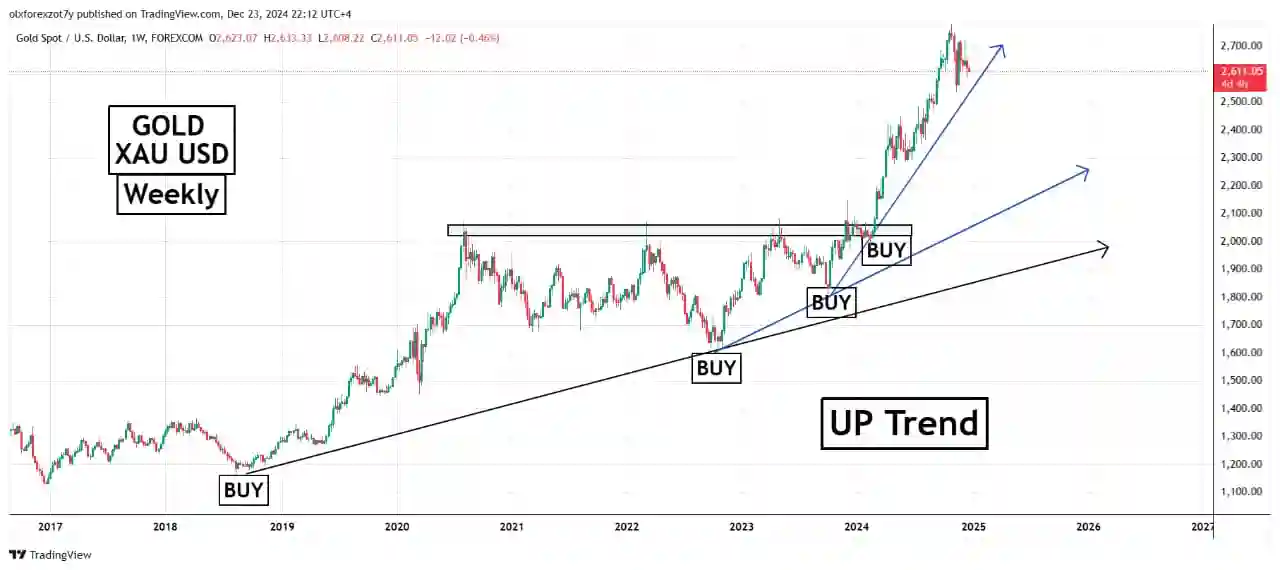
They aim to achieve profits over many years by purchasing and holding assets.
They typically rely on fundamental analysis to evaluate assets.
Short-Term Traders:
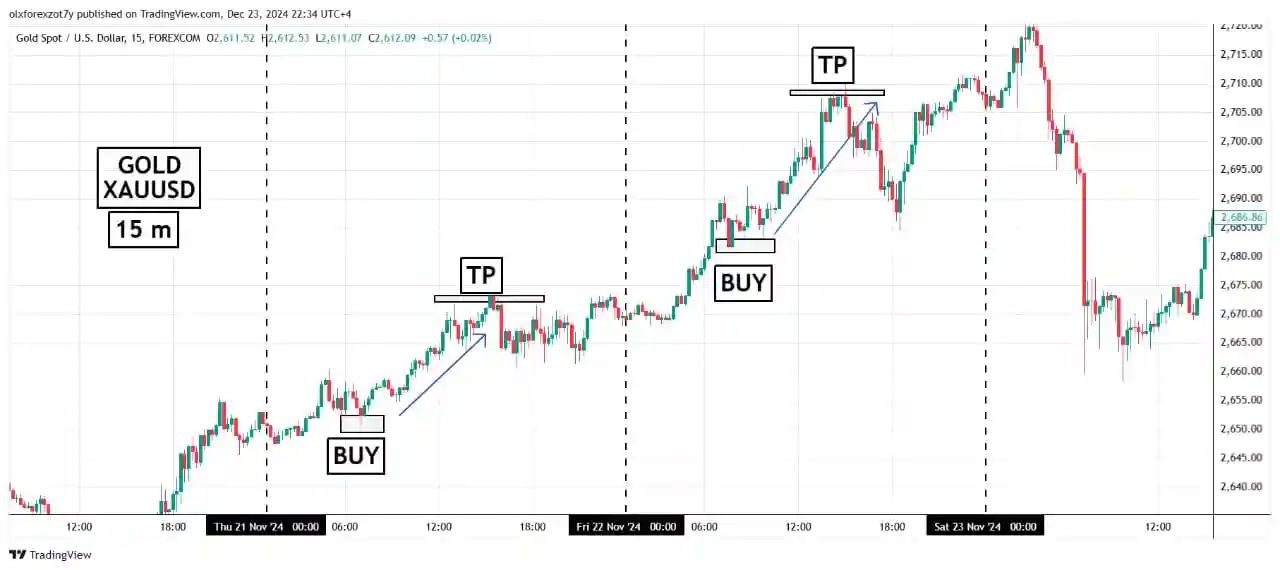
These traders focus on capitalizing on daily or weekly market fluctuations.
They rely on technical analysis to make their decisions.
Day Traders:
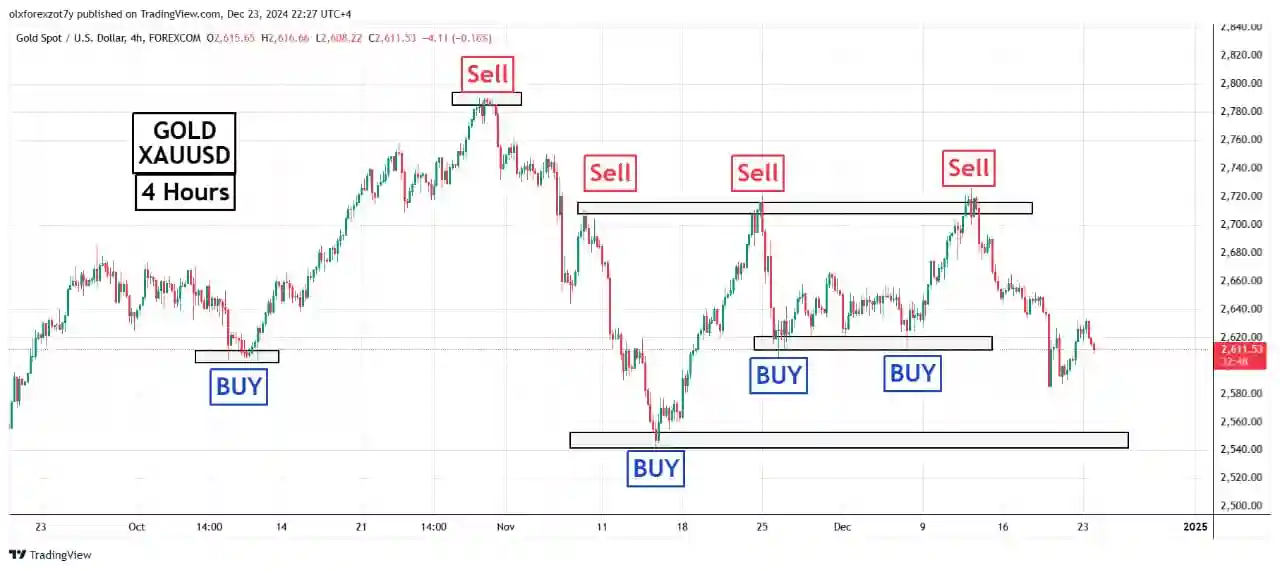
They make trades within a single day without holding positions overnight.
Day traders require high concentration and quick decision-making.
Scalpers:
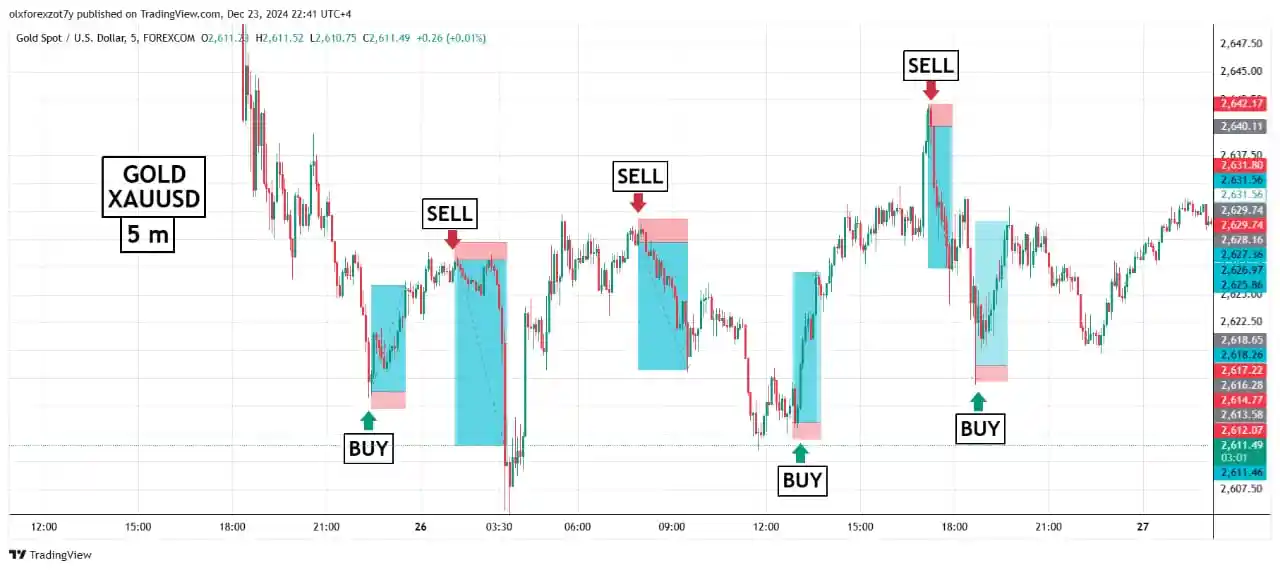
Scalpers open and close positions within very short timeframes (from seconds to minutes).
They focus on making small but frequent profits.
Swing Traders:
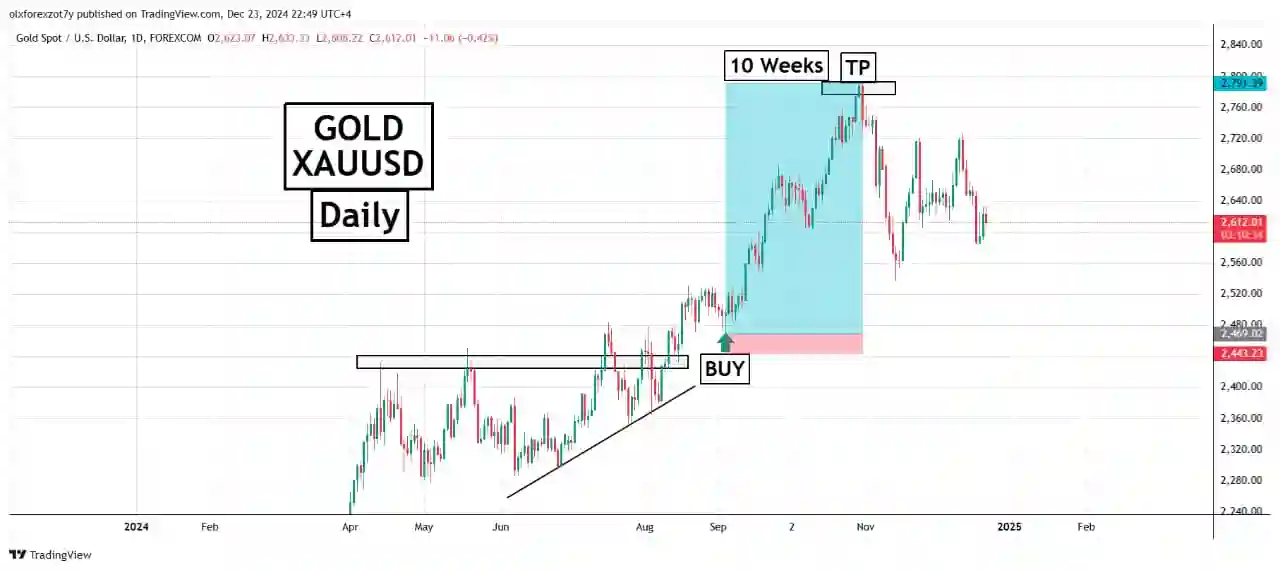
Swing traders hold their positions for several days to weeks.
They use both technical and fundamental analysis to capitalize on short-term trends.
Differences Between Scalping and Swing Trading
Scalping:
Characterized by fast-paced trading, taking advantage of small price movements.
Suitable for traders who constantly monitor the markets and possess precise execution skills.
It carries higher risk but yields small, frequent profits.
Swing Trading:
Aims to profit from short- to medium-term market trends.
Requires patience and strong trend analysis skills.
Less stressful compared to scalping but requires deeper market analysis.
Traders' Goals in Trading
Achieving Profits:
The primary goal for any trader is to grow their capital by taking advantage of market opportunities.
Diversifying Investments:
Trading is used as a method to distribute risk and diversify an investment portfolio.
Achieving Financial Freedom:
Many traders aim to make trading their main or supplementary source of income.
Gaining Experience in Financial Markets:
Trading offers an opportunity to develop skills and gain a deeper understanding of the markets.
Factors Affecting Traders' Decisions
Traders' decisions are influenced by several key factors, including:
Technical and Fundamental Analysis:
Technical analysis uses charts and patterns to identify market trends.
Fundamental analysis relies on economic and political news to assess asset value.
Psychological Factors:
Fear and greed play a significant role in traders' decisions.
Traders need emotional discipline to make well-thought-out decisions.
Economic and Political Environment:
Global economic conditions and company news have a major impact on the markets.
Risk Management:
Decisions regarding risk-to-reward ratios significantly influence trading methods.
Technology:
The use of modern trading platforms and analysis tools enhances the efficiency of traders' decisions.
Choosing the Right Brokerage Firm
A trader's success is not only dependent on their trading strategies but also heavily influenced by the choice of brokerage firm. Therefore, it is essential for every trader to pay special attention to the criteria for selecting a suitable broker, as the right choice can improve profits and avoid common issues in the trading world.
Key Criteria for Choosing a Brokerage Firm
Low Spread:
A low spread reduces trading costs, particularly for traders relying on scalping strategies.
Easy Withdrawal and Deposit:
The brokerage should offer flexible and fast withdrawal and deposit methods without delays, giving traders greater control over their funds.
Fast Order Execution:
Instant order execution ensures entry and exit at the best available prices, enhancing profit opportunities.
Fund Security:
The brokerage must guarantee the protection of client funds by keeping them separate from the company's accounts and adhering to strict regulatory standards.
Exness: The Ideal Choice for Traders
When it comes to a brokerage that provides all these criteria and more, Exness is one of the leading choices in this field, offering:
Extremely low spreads suitable for all types of traders, especially scalpers.
Instant and hassle-free withdrawal and deposit operations.
A sophisticated trading platform that allows for ultra-fast execution.
Fund security through compliance with international regulations, making it an ideal choice for traders seeking stability and profitability.
Choosing the right broker is not just a first step; it is the foundation of success in your trading journey. Be sure to select a company that supports your goals and offers a comfortable and safe trading environment.
In conclusion, understanding the different types of traders and trading methods is essential for success in financial markets. Whether you prefer the rapid pace of scalping or the calmer swing trading approach, defining your objectives and understanding the influencing factors are key to making successful investment decisions. Additionally, choosing a reliable brokerage firm is crucial for safe and profitable trading.


