

What Role Do Investment Banks Play in Driving Global Currency Prices?
Introduction
Investment bank flows influence the forex market by altering the supply-demand balance for currencies. Large trades and hedging activities can trigger significant price movements, even in the absence of new economic news.
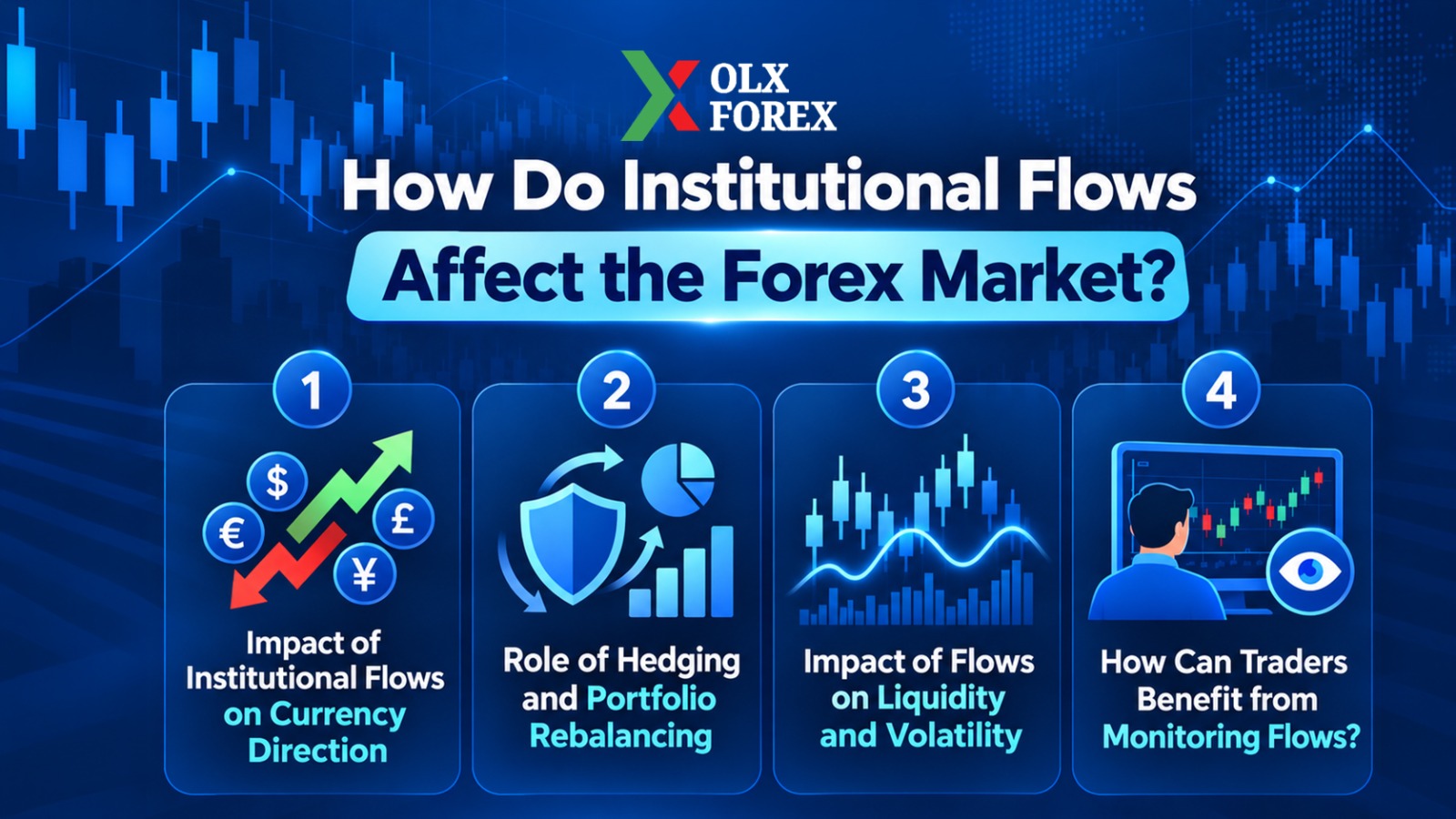
1. The Impact of Institutional Flows on Currency Trends
Large-scale buying and selling activities influence currency pair prices, particularly during periods of low liquidity. For instance, increased demand for the US dollar against the Japanese yen may drive the USD/JPY pair higher; however, the sustainability of this movement depends on the nature of the flows and prevailing market conditions.
2. The Role of Hedging and Portfolio Rebalancing
Banks and financial institutions execute transactions to hedge foreign investments or reallocate assets. When an investment fund shifts capital from euro-denominated assets to the US dollar, selling pressure on the euro against the dollar may intensify, even without new economic developments.
3. The Impact of Flows on Liquidity and Volatility
Large trades have a greater capacity to move prices when liquidity is limited, potentially leading to sharp volatility and price slippage. However, rapid price movement does not necessarily signal the start of a sustainable trend, as prices may retreat once the temporary flows subside.
4. How Can Traders Benefit from Monitoring Flows
Traders can gain insights by combining price action analysis, trading volume, and trader positioning reports (such as the COT report) with monitoring interest rate expectations. Integrating these tools helps in assessing potential trends, though it is important to recognize that available market data does not reveal the entirety of investment bank transactions.
Summary
Investment bank flows influence currency movements through supply and demand, hedging, and liquidity. While monitoring these flows can aid in understanding price action, it is best to combine them with technical and fundamental analysis and risk management, rather than relying on them in isolation for trading decisions.


