

Trading with Artificial Intelligence: Revolutionizing Financial Markets
Artificial intelligence (AI) and technologies such as automated trading and algorithms have significantly transformed various fields, particularly in finance.
AI is now widely used in trading to analyze financial market data and assist in making strong investment or speculative decisions. With AI, trading has become a powerful tool that can provide traders with a competitive advantage.
However, it is important to approach this technology with caution and a clear understanding of the associated risks to ensure optimal benefits.
AI in Trading: Enhancing Decision Making
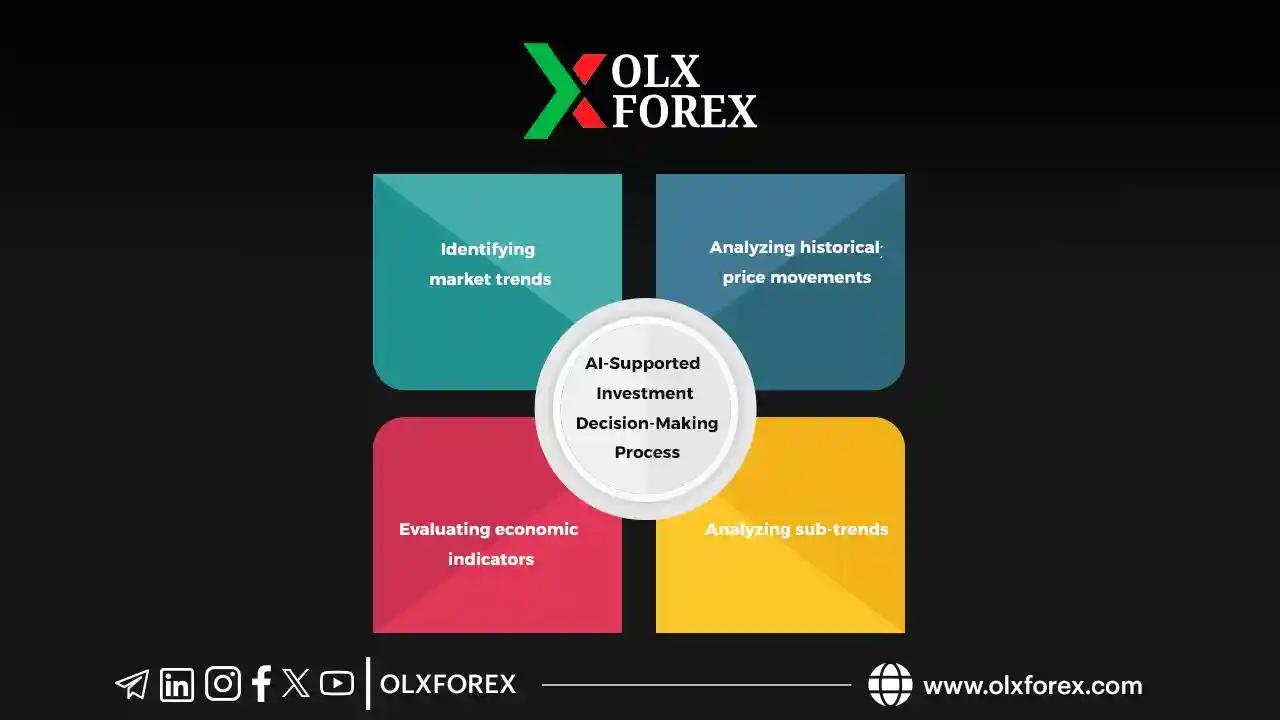
AI allows investors to analyze vast amounts of data, such as historical price movements, overall market trends, sub-trends, and economic indicators that impact price fluctuations. This enables investors to make well-informed decisions based on comprehensive analysis. Trading with AI refers to the use of predictive analytics and AI algorithms to analyze market data, both fundamental and technical, as well as historical prices, to identify buy and sell opportunities and automate portfolio management.
*Types of AI-Based Trading
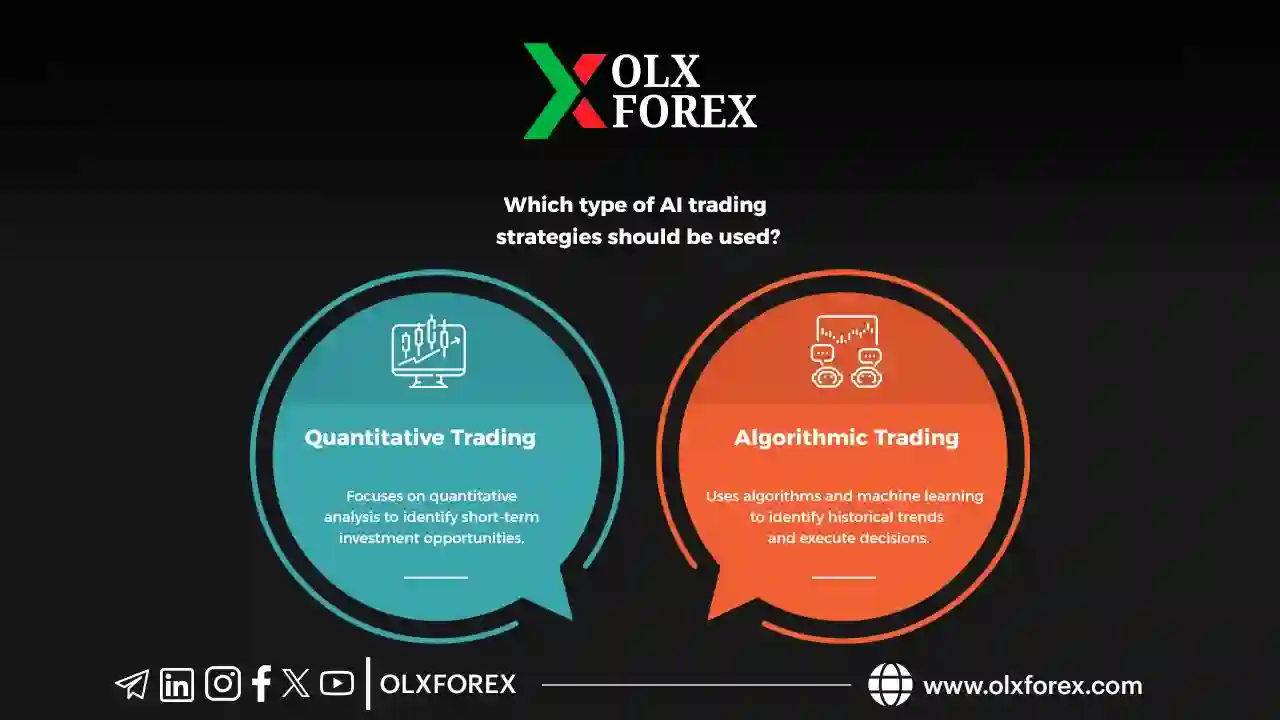
Quantitative Trading:*
This method uses quantitative models to analyze price movements and trading volumes for stocks, currencies, commodities, and other financial assets.
It aims to identify the best short-term investment or speculative opportunities.
Algorithmic Trading:
This method employs algorithms that make decisions based on historical data to execute trades. These algorithms apply machine learning and deep learning techniques to analyze market trends and financial news before executing trades.
The Growing Role of AI in Financial MarketsIn vestment in AI tools and programs for financial markets is continually rising. It is expected that AI spending will reach $2.3 billion by 2025. According to McKinsey, AI could enhance the revenue of financial firms and individual investors by up to 30% over the next decade. In the United States, more than 50% of financial companies are already utilizing AI in their trading operations. The generative AI industry is expected to grow from a $40 billion market in 2022 to a $1.3 trillion market by 2032, according to Bloomberg.
Benefits of AI in Trading
The use of computers in trading has been common for many years, with certain programs able to make buy and sell decisions in fractions of a second. However, these programs traditionally relied on technical analysis of the financial asset itself. Over the past decade, automated trading programs have contributed to increased market volatility, with price movements occurring at a much faster rate than before.
AI tools, however, go beyond simple automated trading decisions. They can now generate predictions about the future performance of stocks, bonds, currencies, and other financial markets. By using algorithms and statistical analysis, AI can analyze past and present data to forecast the expected performance of financial assets.
It is important to understand that AI doesn't rely solely on technical analysis; it also incorporates fundamental analysis. For example, AI can analyze investor sentiment on social media platforms regarding a specific stock, helping to build an investment outlook based on this analysis.
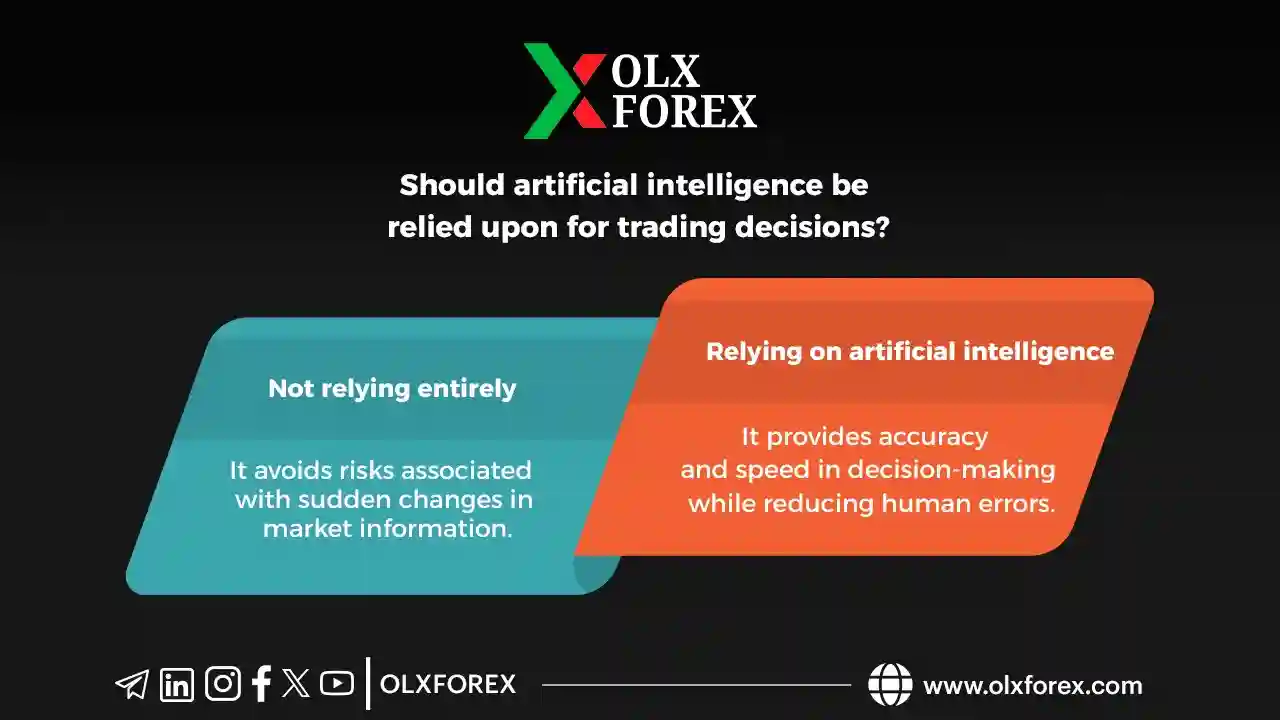
One of the most important advantages of AI in trading is its ability to eliminate human biases and reduce errors that might be influenced by emotional factors. AI also enhances the speed, accuracy, and quality of decision-making. However, despite these advantages, AI should not be fully relied upon for making investment decisions in financial markets. AI-based programs can make incorrect decisions based on sudden changes in news or data, which could shift from positive to negative or vice versa.
Generative AI is capable of processing massive datasets and making investment or speculative decisions based on that data. However, if the AI system is fed incorrect data by human programmers, the resulting decisions will likely be flawed.
Tips for Traders Using AI and Technology
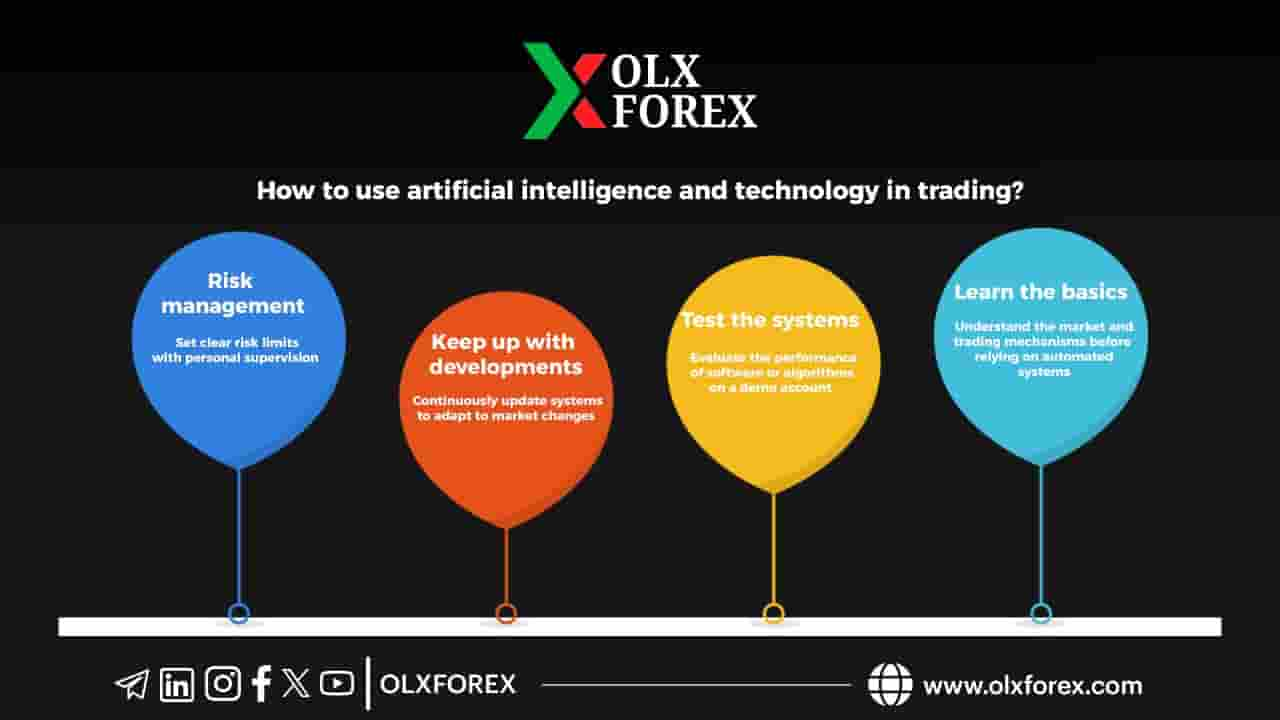
Understand the Basics:
Before fully relying on automated systems, ensure you have a solid understanding of the market and trading mechanisms.
Test Systems:
Always test any AI-based program or algorithm on a demo account for a sufficient period to evaluate its performance before applying it to real trading.
Stay Updated:
Continuously update AI systems and programs to keep pace with market changes and developments.
Risk Management:
Set clear risk limits and do not fully depend on technology without personal oversight.
Conclusion
AI has undoubtedly transformed the trading landscape by enabling faster, more accurate decisions based on vast data analysis. While AI provides several advantages, such as reducing human error and enhancing decision-making speed, traders must approach it with caution. To truly benefit from AI in trading, it is crucial to combine technology with a deep understanding of market dynamics, robust risk management, and continual system updates. AI can be a powerful ally, but only if used wisely and thoughtfully.


