

Regulatory bodies set limits on deposits in Forex companies
Exness recently communicated with its clients via official emails, stating that the maximum monthly deposit limit is $30,000 without the need to provide proof of income. If a client wishes to deposit more than this amount, they must contact the company through its live support or email and provide documentation regarding their income source that qualifies them for higher deposits. For instance, if a client deposits $30,000 in November, they can deposit another $30,000 in December without needing to submit any income verification.
This practice is standard among major companies that adhere to regulatory standards and licensing requirements. Recently, financial markets, particularly Forex, have experienced significant growth, attracting individual investors seeking financial freedom. This influx has prompted various regulatory bodies worldwide to impose strict measures to prevent the use of illicit funds and money laundering in these high-liquidity markets. As a result, the monthly deposit limit of $30,000 without income verification has been implemented.
Setting this deposit cap is part of broader efforts to combat financial crimes like money laundering and terrorism financing, enhancing regulatory protection enforced by governing bodies.
The monetary policy objectives can be summarized as follows:
*Combating Money Laundering:*
By restricting the maximum deposit amount, the aim is to reduce opportunities for exploitation by illegitimate entities or those not compliant with laws.
*Protecting Traders from High Risks:*
This policy helps limit potential losses for traders, especially beginners or those with limited experience who might trade large amounts without fully understanding the risks, often in pursuit of quick wealth.
*Regulatory Bodies Enforcing Deposit Restrictions:*
Regulations vary by country, with some nations applying strict trading procedures while others are more lenient.
*Prominent Regulatory Authorities:*
- *Financial Conduct Authority (FCA) in the UK:*
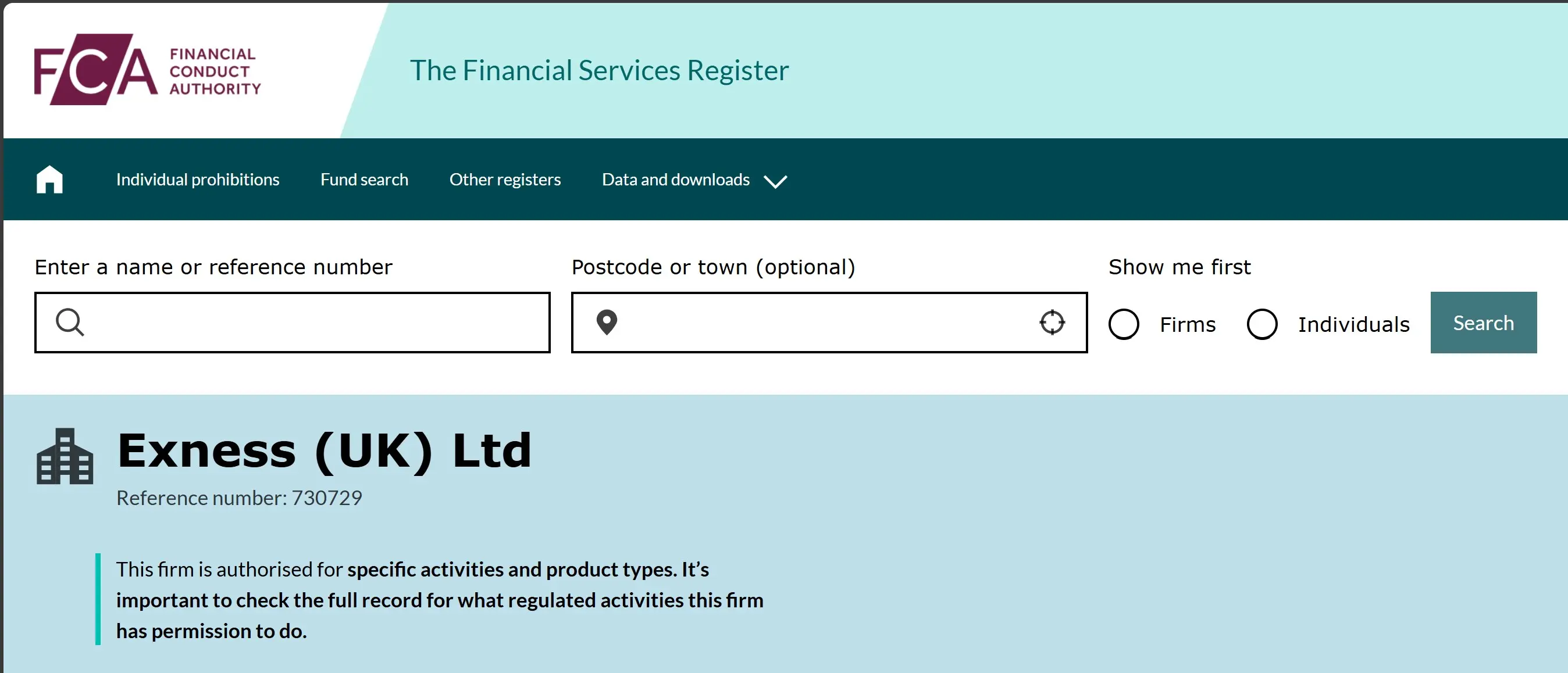
Known for its stringent regulations, it ensures the protection of traders' funds, requiring major companies to impose deposit limits.
- *European Securities and Markets Authority (ESMA):*
Regulates Forex companies within the EU, enforcing strict controls to safeguard traders’ funds and requiring proof of deposits.
- *Australian Securities and Investments Commission (ASIC):*
Imposes similar restrictions and applies strict standards regarding how Forex firms handle client funds.
*Know Your Customer (KYC) Procedures:*
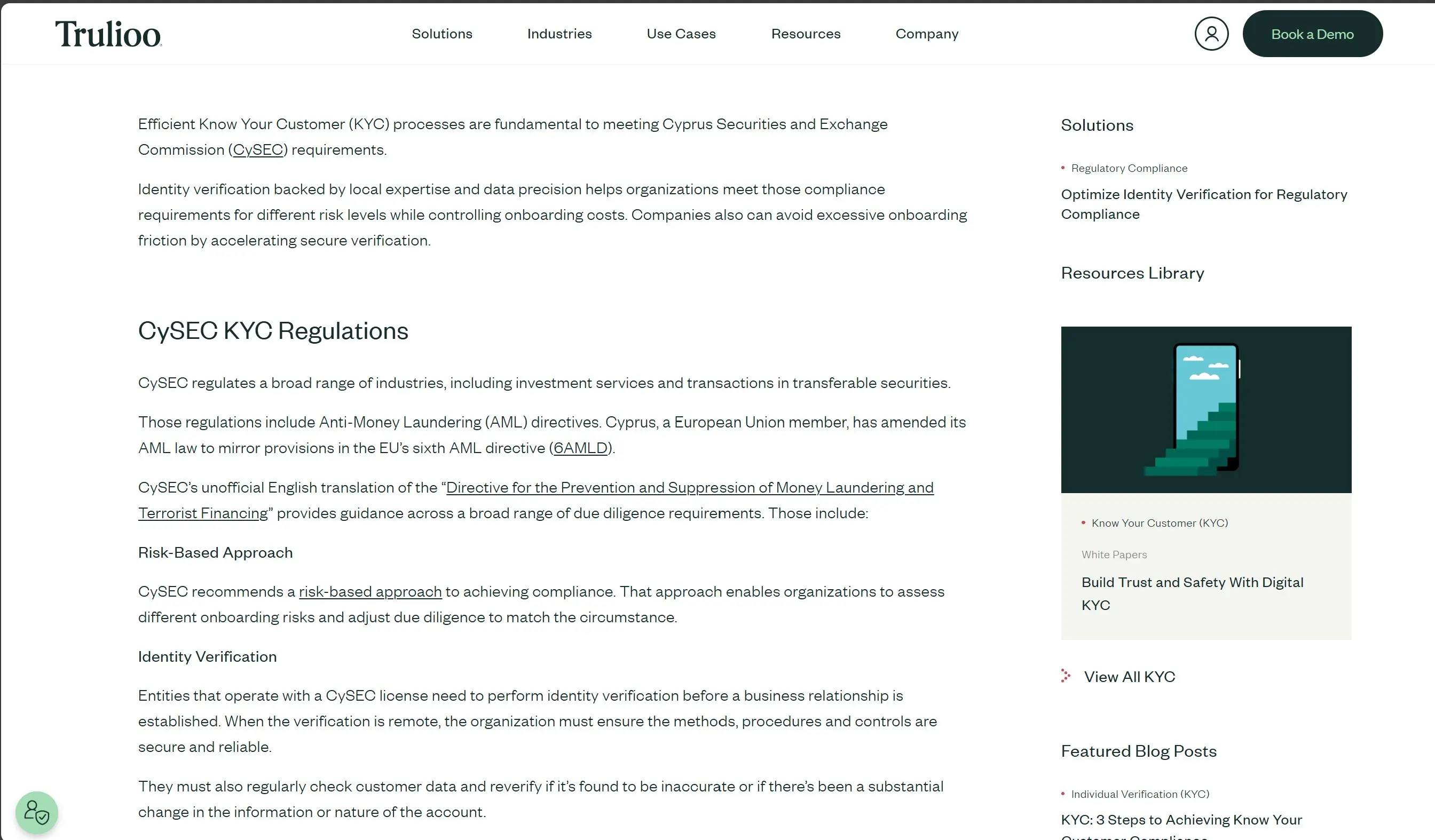
For a trader to open an account, they must verify their identity through the following steps:
1. *Identity Verification:*
The client must upload an official document confirming their identity, such as a national ID card or passport.
2. *Address Verification:*
Clients need to prove their address as stated in their ID, typically by submitting a utility bill or bank statement.
3. *Income Source Verification (for large deposits):*
If a client exceeds the monthly deposit limit, the company will request documentation proving the source of funds, such as a bank statement or tax documents.
These restrictions affect traders differently, especially those wishing to trade large sums. Some observed benefits include:
- Reducing excessive speculation that can lead to significant losses.
- Increasing traders' confidence in their Forex firms, as compliance with regulatory standards reassures them about the safety of their funds.
By sending these emails, Exness affirms its commitment to regulatory mandates. Regardless of circumstances, client accounts will not be frozen, and clients will not face issues; their funds are completely secure and separate from the company’s funds. No matter the transaction volume, clients can trade confidently with Exness.
You can review all regulatory and regulatory bodies that review Exness with direct links and images from within the websites of the regulatory bodies from here ⬅️


