
Exness spreads after the latest updates
Many people wonder about the spread, especially if they are new to the financial markets. When starting to explore CFD trading companies, they seek to understand the meaning of the spread, which is the difference between the buying price and the selling price. This spread represents the commission charged by the broker, as brokers earn their profits from this difference.
Consequently, the spread is a key factor affecting traders' profits. Therefore, a stable spread helps you make decisions about whether to open or close trades and settle for a specific profit.
*What is the Spread?*
The spread is the difference between the buying price and the selling price of a financial instrument. This fee is charged by brokerage firms in exchange for providing trading services in the financial markets. The spread is considered a primary cost for traders to cover the broker's trading costs.
And for more about the spread and how it affects your profits as a trader from here
*How to Access Spreads on Exness*
To find the current spreads, you can view them on the chart in the MetaTrader platform or on Exness’s platform. You can also find them in the individual instrument chart and in the Market Watch section on MetaTrader or in the "+" menu on the Exness web platform.
*Importance of the Spread*
A low spread will save you money when opening or closing a trade, increase your profits, and reduce your losses. Additionally, a stable or fixed spread increases your confidence and helps you make prompt decisions. For new traders, having a reasonably stable spread during times when news affects the market is crucial, given the volatility during important news events like inflation reports, interest rates, unemployment, and non-farm payroll (NFP) reports. While maintaining a truly fixed spread during such times is challenging, some brokers like Exness strive to ensure stability.
*Types of Spreads*
Traders and brokers classify spreads based on their variability and sometimes the frequency of their changes. These changes are influenced by various factors, but liquidity and major news events are often the most significant in determining the spread's movement.
*Variable Spread:*
This type of spread changes based on factors such as the time of day, market conditions, news, liquidity, and trade volume. The variable spread can fluctuate significantly throughout the day, becoming less than a point during quiet periods and increasing to several points during times of high market activity, such as during market open and close times.
*Fixed Spread:*
A fixed spread remains constant and is not affected by news or market opening and closing times. Fixed spreads are extremely rare because they do not reflect the actual market conditions in any financial market.
*Stable Spread:*
A stable spread is similar to a fixed spread but differs in that it is not constant. On Exness, the spread remains stable about 95% of the time and usually does not fluctuate more than 50% of the average spread during the remaining time.
*Does Exness Profit from Clients’ Losses?*
Certainly not. About 90% of Exness’s profits come from the spread, while the remaining profits mainly come from commissions on Zero & Raw Spread accounts and a portion of the swap fees charged on some financial instruments.
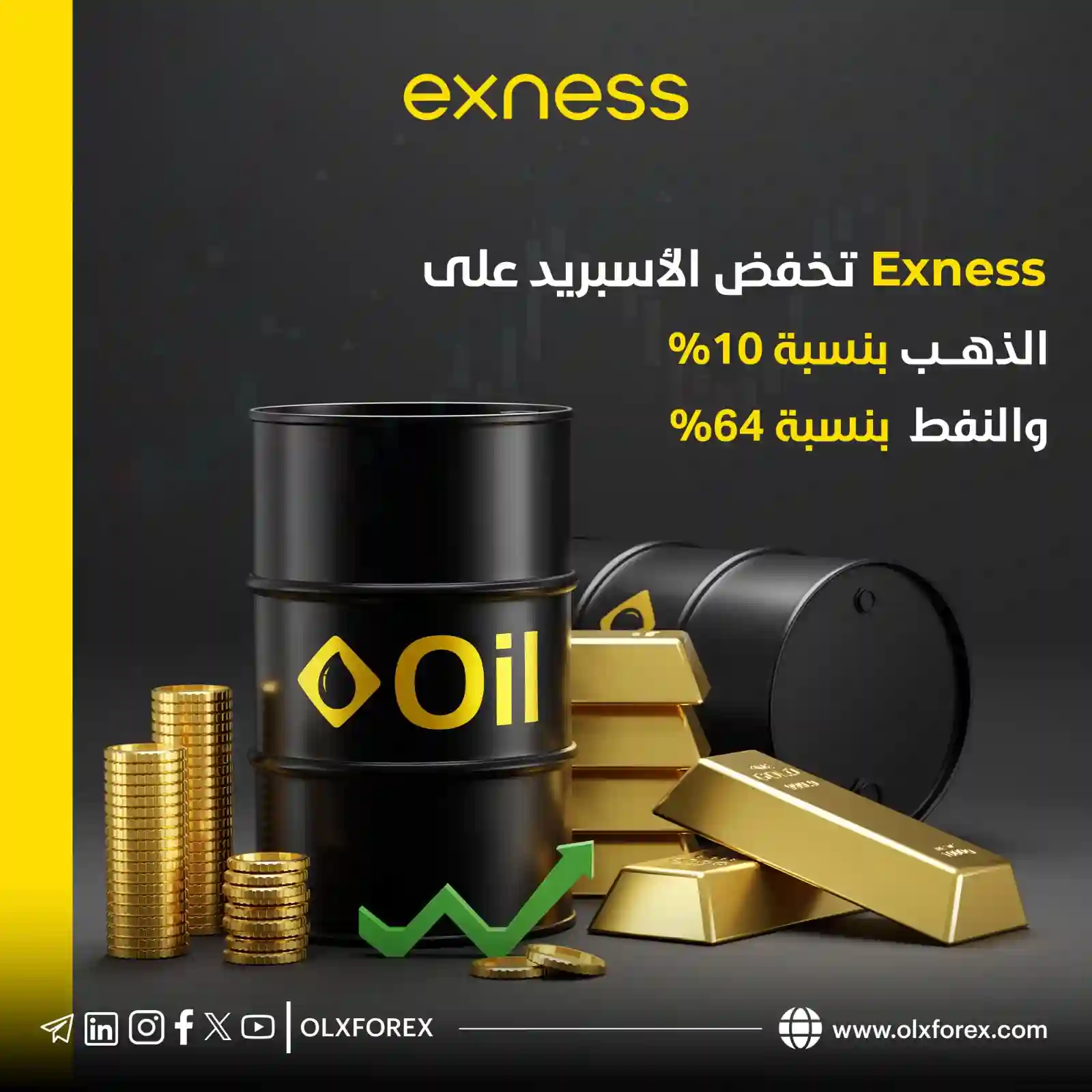
Exness continually aims to provide the best services to its clients by enhancing and offering a suitable trading environment, including recent updates such as reducing the spread on gold by 10% and on oil by 64%. Thus, Exness is considered one of the best trading companies and constantly works to improve its services to maintain its top position as one of the oldest and best trading firms. Exness is the ideal choice for all traders.


